
Instant payments
PayShap requests, tap-on-phone and the card machine you already rent, mapped side by side so you pick the cheapest honest way to get paid.
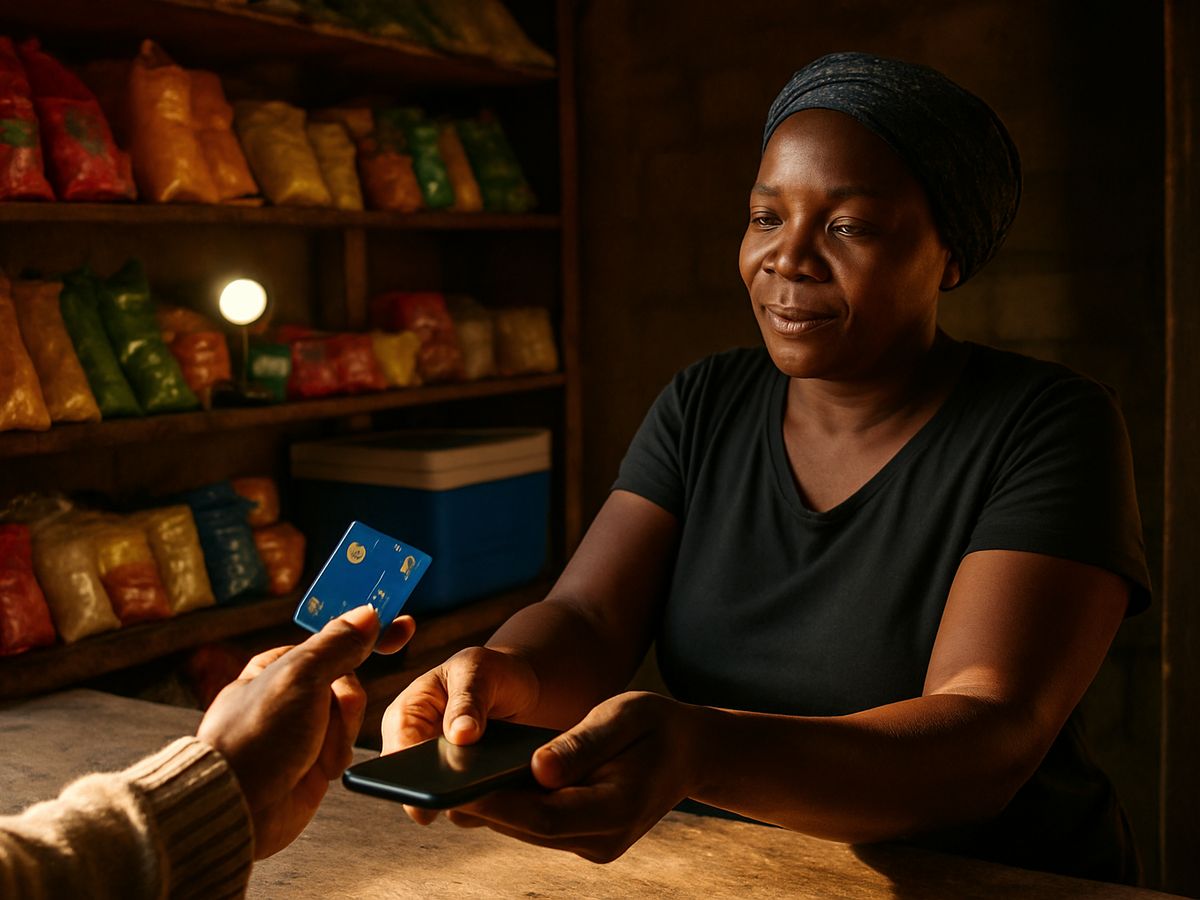
For years the choice for a small South African business was simple. Take cash, or rent a card machine and live with the monthly fee. That choice has quietly turned into four. PayShap, the instant interbank rail, is now pushing hard into merchant payments with request-to-pay, so a trader can send a payment request straight to a customer's banking app. Phones can now act as the card terminal itself, no extra hardware. And the old countertop machine is still there, often on a contract nobody has read since 2022.
Each option is cheap on one line of the brochure and expensive on another. A spaza in Soshanguve, a hair braider working from a car boot in Bellville and a mobile mechanic in Polokwane will all get a different right answer. Instant Pay Check is how we work out which one is yours, on your real ticket sizes, before you sign anything.
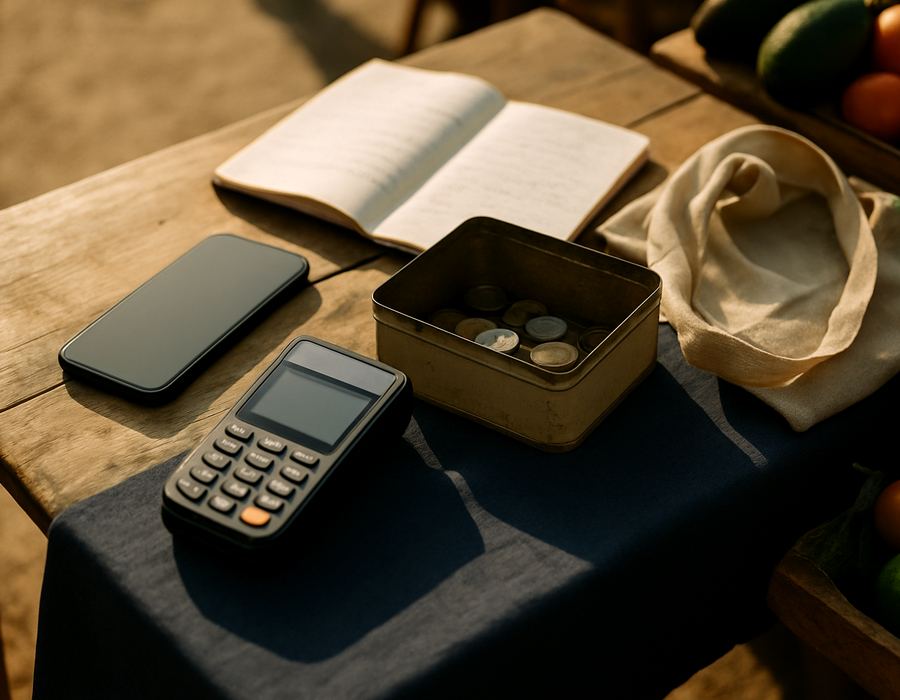
We take your last two months of sales (a bank statement, a till export or even a neat exercise book) and run it through four paths: card machine, tap-on-phone, PayShap request or QR, and cash with a deposit run. For every path we show the same five lines, so the comparison is fair.
We also flag the line most owners forget. Digital takings create a record, and that record is what a lender or a supplier credit account asks for. A trader moving even a third of sales off cash is building a payment history that has real value later.
The check is aimed at owner-run businesses doing roughly R20,000 to R600,000 a month: spaza shops and tuck shops, weekend market traders, salons and mobile beauty, small practices, delivery drivers and trades people who get paid on site. Bigger groups with several tills should start at Multi-Store Ledger instead.
If the grid is your main worry, pair the check with Load-Shedding POS. If your payouts already clash with Friday stock buying, the Settlement Cadence pack picks up where this one stops.
How it runs
Upload statements and two photos through our contact form. Nothing is signed, nothing is switched.
Our Sandton team prices each path on your ticket sizes, peak hour and signal reality, then checks the fine print.
Within five working days you get one page in plain English, with the path we would pick and the reason why.
The output is a single decision sheet, not a sales pitch. It names the cheapest path for your month, the backup path for when that one fails, and the exact questions to ask your bank or provider before you change anything. We do not sell terminals and we do not take a cut from any provider, so the answer is allowed to be "keep what you have".
POS choice for weekend markets → · Taking cards through Stage 4 → · Roodepoort market project →
| Paths compared | Card machine, tap-on-phone, PayShap request or QR, cash |
|---|---|
| Turnaround | 5 working days |
| Input | 2 months of sales |
| Output | One-page decision sheet |
| Fee | Flat, quoted before we start |
| Link | POS Compass |
Verified Google reviews